
If you use a centrifuge every day, it’s easy to overlook how powerful this instrument really is. High rotational speeds generate intense force, and even a small mistake can lead to damaged samples, equipment issues, or safety risks. That’s why understanding centrifuge safety precautions in labs is so important.
When you follow the right steps, you protect your equipment, your staff, and your workflow. You also reduce downtime and extend the life of your centrifuge. In this guide, you’ll learn the most important safety measures you need to keep in mind every time you spin a sample.
Why Centrifuge Safety Matters More Than You Think
A centrifuge may look simple on the outside, but inside, the rotor moves at thousands of rotations per minute. One imbalance or unnoticed crack can create a chain reaction you don’t want to experience. Many lab technicians learn centrifuge safety through trial and error. You don’t have to.
Knowing centrifuge safety precautions in labs gives you the confidence to run your samples without worrying about what is happening behind the closed lid.
Start with the Basics: Balancing and Loading
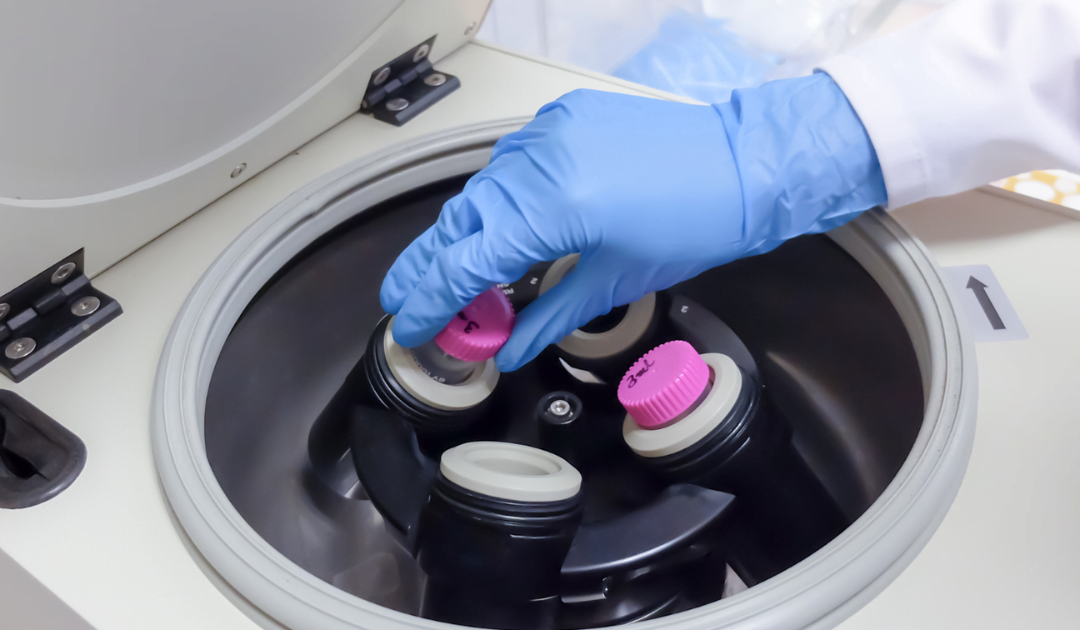
Your centrifuge rewards consistency. That means taking a moment to balance tubes by volume and weight before every run. Even small differences can strain the rotor and bearings. Make sure tubes sit snugly in the buckets or adapters and never force them into place.
If your lab runs frequent micro-volume applications, models like the D3024 High-Speed Micro Centrifuge from NE LabSystems provide durable construction and smooth acceleration. This helps minimize vibration and protect your samples.
Inspect Your Rotors on a Regular Schedule
Rotor damage is one of the most common causes of centrifuge failure. Over time, metal rotors develop stress marks or corrosion from repeated use and exposure to chemicals. You want to spot these early before they lead to cracks.
Remove the rotor and wipe it down after use. Look closely for discoloration, dents, or hairline fractures. If something looks off, don’t use it until it has been checked. Lab-grade rotors are designed to last, but only when they are handled with care.
Know When to Service Your Centrifuge
Even reliable equipment needs support from time to time. If you hear an unusual noise or notice that acceleration seems slower than normal, take the warning seriously. These signs often appear before a breakdown.
At NE LabSystems, we help labs keep their centrifuges in top condition through preventive maintenance and extended warranty support. Whether you use the DM0412 Clinical Centrifuge or a high-speed model, regular servicing keeps your results accurate and your equipment dependable.
Protecting Your Workflow Through Safe Practices
When you follow centrifuge safety precautions in labs, you create a work environment where equipment lasts longer, and experiments run smoothly. You reduce risk, protect your samples, and keep the centrifuge ready for the next run.
Centrifuge safety isn’t about being cautious. It’s about being consistent.
Final Thoughts
A centrifuge is one of the hardest-working instruments in your lab. Taking the time to follow centrifuge safety precautions in labs gives you better results and more reliable equipment. If you’re looking for centrifuges built for daily use with long-term support, explore trusted options at NE LabSystems and keep your workflow running without interruption.