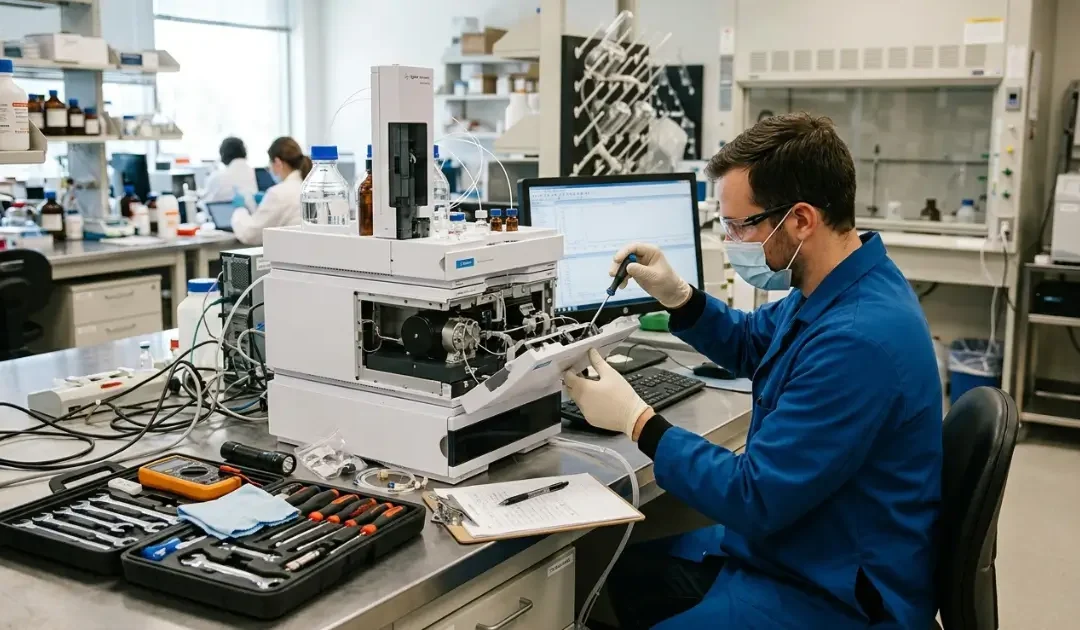
by Glen Ninglish | Oct 5, 2026 | Lab Equipment
A laboratory equipment maintenance checklist is the practical tool that converts a maintenance program from a policy into a practice. It transforms general intentions about maintaining instruments into specific, scheduled, documented actions that each piece of...
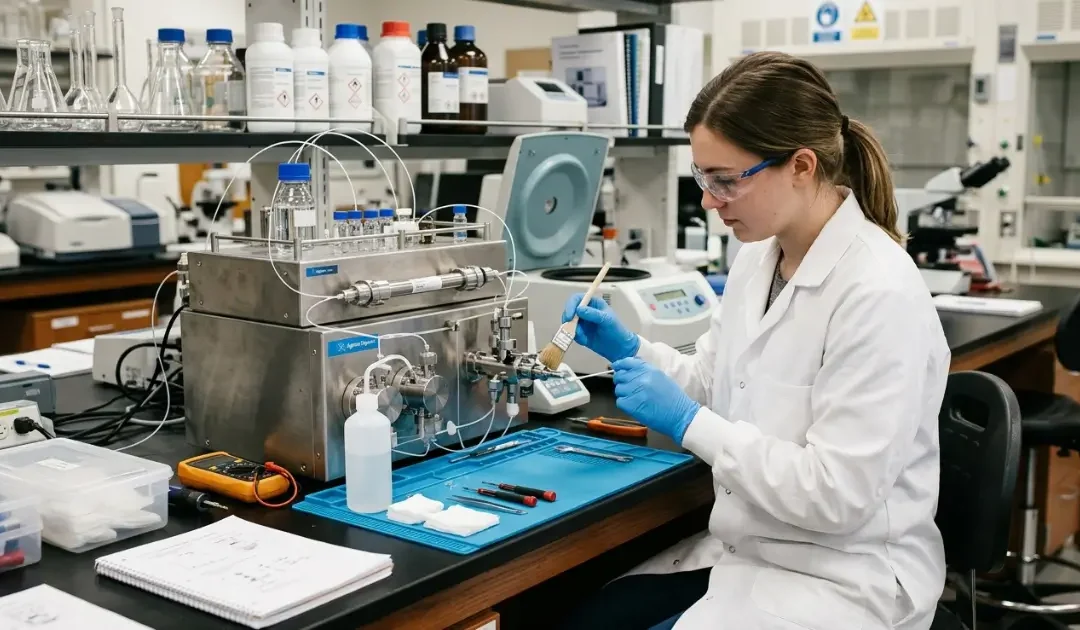
by Glen Ninglish | Oct 5, 2026 | Lab Equipment
Laboratory instruments are precision tools. They produce the measurements that guide clinical decisions, validate research findings, and support regulatory submissions. When they are maintained properly, they do this reliably and consistently. When maintenance lapses,...
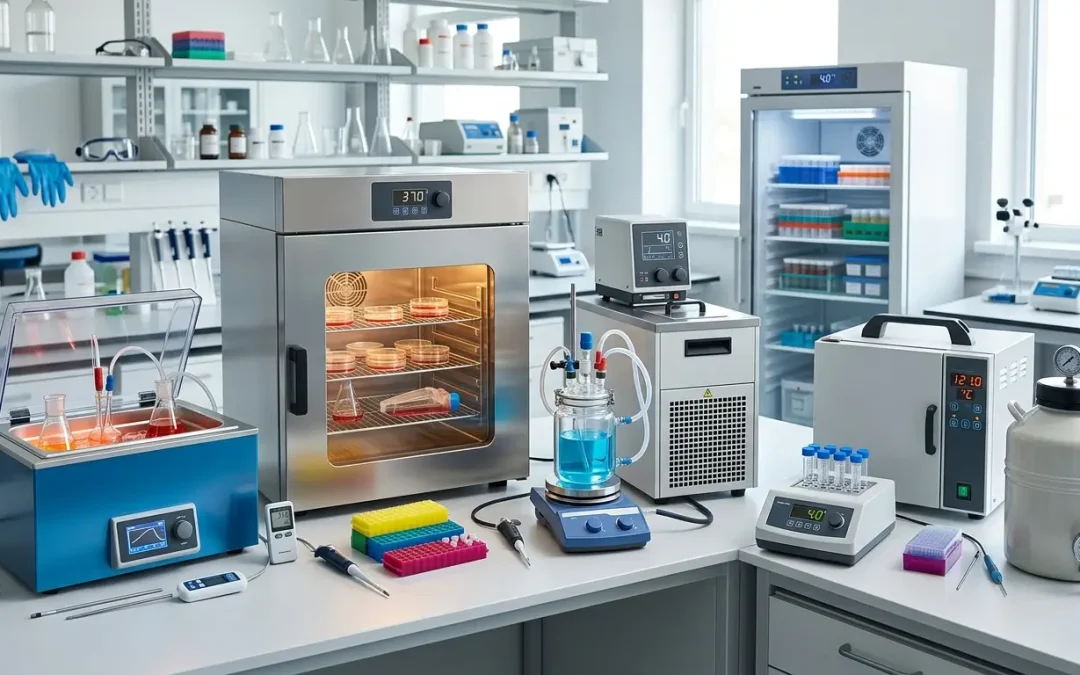
by Glen Ninglish | Oct 5, 2026 | Lab Equipment
Temperature is a controlled variable in more laboratory protocols than any other single parameter. From the moment samples are received through every preparation, incubation, reaction, and storage step, temperature determines whether biological materials remain...
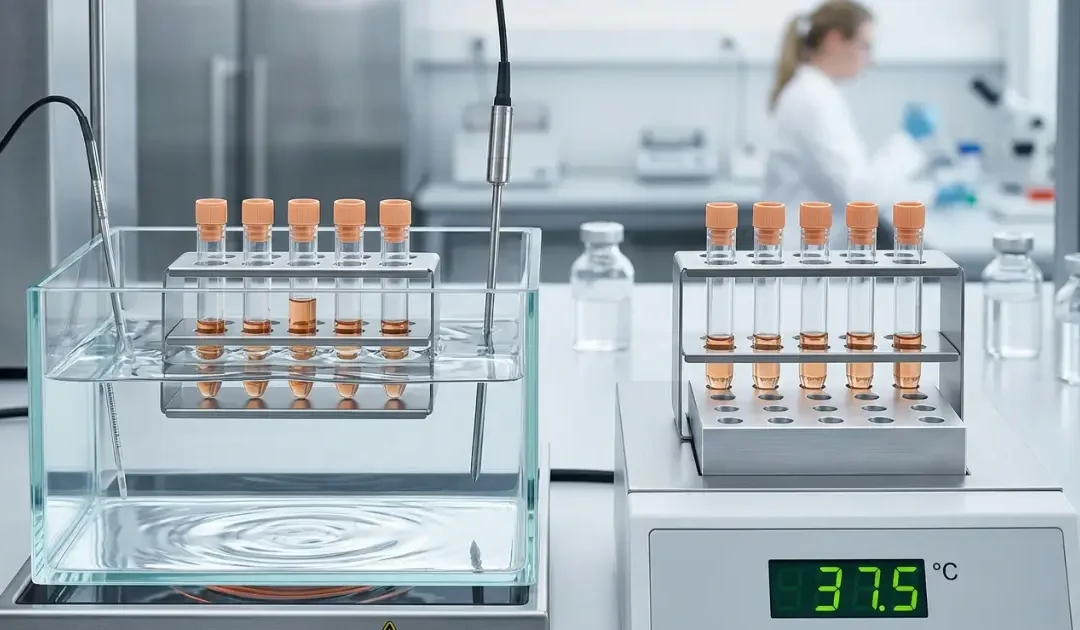
by Glen Ninglish | Oct 5, 2026 | Lab Equipment
The choice between a water bath and a dry bath incubator is one of the most practical equipment decisions laboratories make, and it is one where the wrong choice for the application quietly creates problems that take time to trace back to the instrument. Both...
by Glen Ninglish | Oct 5, 2026 | Lab Equipment
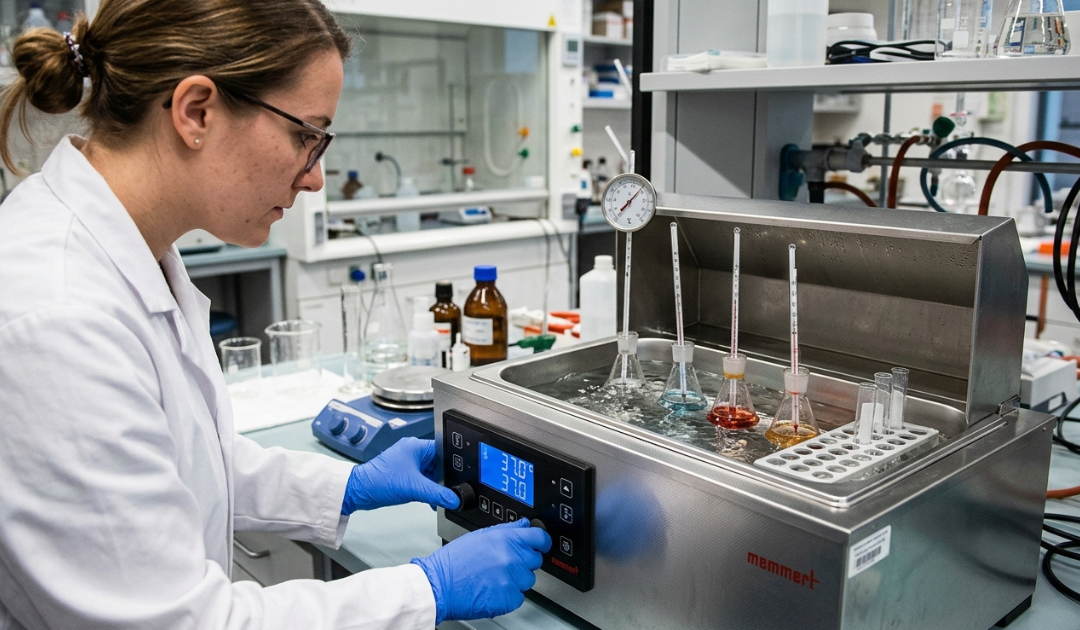
Temperature is the most critical parameter in most laboratory water bath applications. Whether you are thawing a frozen plasma sample, incubating an enzyme reaction, or maintaining a microbiological culture at growth temperature, the accuracy and stability of your...
by Glen Ninglish | Oct 5, 2026 | Lab Equipment
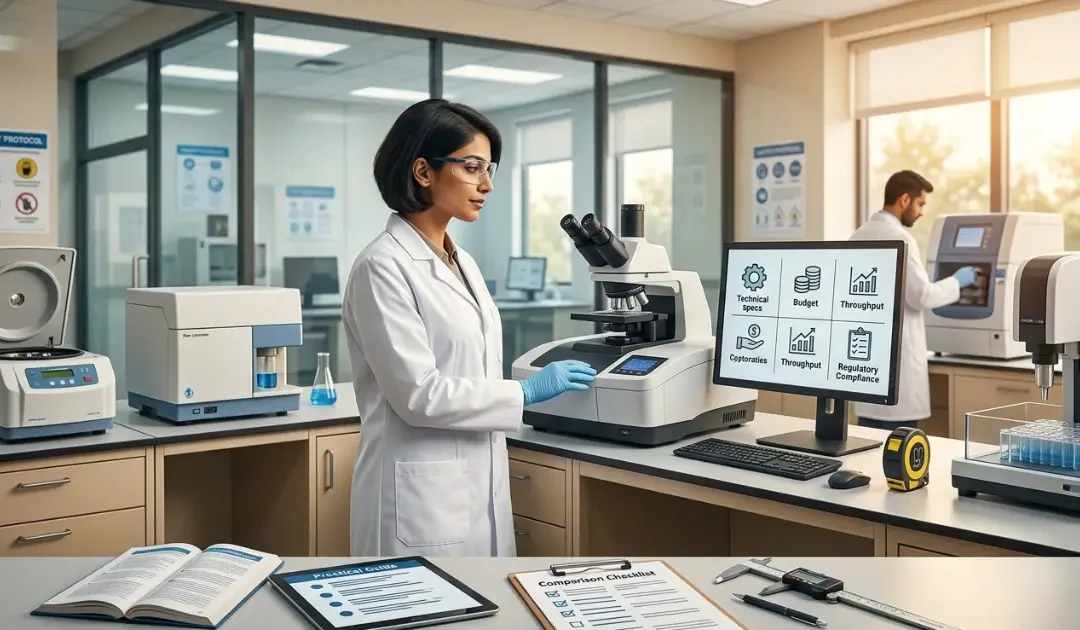
The wrong equipment choice for a research facility does not always announce itself dramatically. It shows up gradually: workflows that are slower than they should be because the instrument requires more manual intervention than anticipated, result variability that...
