
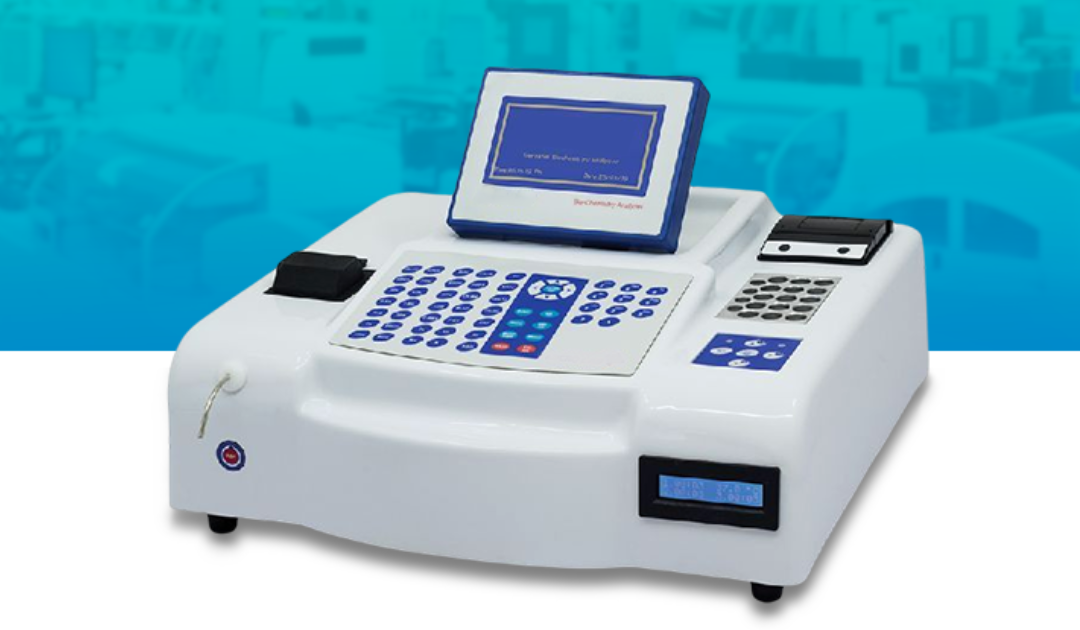
When accuracy is non-negotiable, and speed is essential, you rely on equipment that delivers both, without compromise. That’s where a clinical biochemistry analyzer steps in. If you’ve ever wondered how labs analyze blood, serum, or plasma for markers like glucose, cholesterol, or enzymes, this is the tool behind it all.
This blog will walk you through exactly what a clinical biochemistry analyzer does, how it works, and why it matters for your lab. Whether you’re upgrading equipment or training new staff, knowing how this instrument operates can help you make better decisions every day.
What Is a Clinical Biochemistry Analyzer?
A clinical biochemistry analyzer is a diagnostic device that measures chemical substances in body fluids. In most cases, you’re looking at serum or plasma samples. These machines are a backbone in medical labs and play a crucial role in diagnosing diseases, monitoring patient health, and supporting ongoing treatments.
These analyzers automate tests that used to take hours by hand. With built-in optical systems, sample handling, reagent mixing, and result calculation, they turn out precise results at speed, so you get the numbers you need, when you need them.
How Does It Work?
The process starts when a sample is loaded into the machine. The analyzer dispenses it along with reagents into tiny reaction cuvettes. Once the reaction takes place, a photometric system measures the resulting color change to determine the concentration of a specific analyte.
That data is then processed and displayed on-screen or sent to the lab’s information system. Whether you’re tracking electrolytes, proteins, or enzymes, the system gives you real-time results that support faster clinical decisions.
Automated systems like the Stat Fax 4500 Biochemistry Analyzer available at NE LabSystems offer a user-friendly interface and high-speed processing. This model is a semi-automatic clinical biochemistry analyzer, perfect for labs that want precise control over their testing process.
Why Accuracy and Throughput Matter
Every test result influences a clinical decision. That’s why both accuracy and throughput are critical. A reliable clinical biochemistry analyzer helps reduce turnaround time, prevents errors, and ensures consistency across all test runs.
These systems are especially important in high-volume labs, outpatient diagnostic centers, and hospital settings. When you process dozens or even hundreds of samples a day, you need a system that won’t slow down or compromise on results.
Choosing the Right Partner
Investing in a clinical analyzer is about more than just the machine. It’s also about support, service, and long-term performance. At NE LabSystems, we’ve spent over 15 years helping labs across New England and beyond find equipment that works, and keeps working. We offer extended warranties, U.S.-based support, and a full line of lab-tested analyzers built for daily use.
If you’re looking for clarity, speed, and confidence in your biochemistry testing, this is where your search ends.
Final Word
Understanding how a clinical biochemistry analyzer works helps you use it better. From diagnosis to disease management, this machine is one of the most important tools in your lab. And when paired with the right supplier, it’s a decision that pays off in every sample you test.
Looking to upgrade your system? Explore our trusted lineup of analyzers and get in touch to learn more about how a clinical biochemistry analyzer can improve your lab’s workflow.