
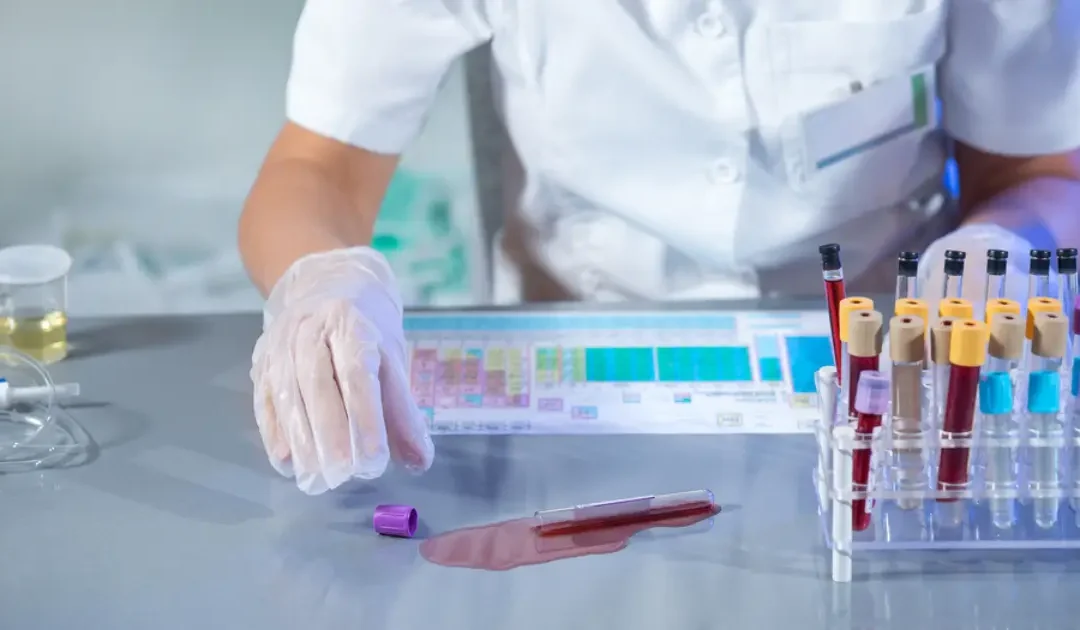
Laboratories handle a wide range of chemicals every day. Some are harmless, while others can be hazardous if they are accidentally released. Even a small spill can create serious risks for people, equipment, and research samples.
That is why knowing how to handle chemical spills safely is a critical part of laboratory safety. When spills are managed properly, you reduce the risk of injuries, prevent contamination, and protect valuable equipment.
A well-prepared laboratory always has clear safety procedures in place. Researchers, technicians, and lab managers should all understand the correct response steps before a spill ever occurs.
Identifying the Type of Chemical Spill
The first step in safely handling chemical spills is recognizing the type of spill you are dealing with. Not all spills require the same response.
Small spills of non-hazardous chemicals can often be cleaned using standard laboratory procedures. These are sometimes called minor spills. Larger spills, or spills involving toxic, corrosive, or reactive chemicals, require a more controlled response.
Before attempting any cleanup, you should quickly review the chemical label and the safety data sheet associated with the substance. These documents explain the hazards of the chemical and provide instructions for safe handling.
If the chemical is highly hazardous or the spill is large, the safest action may be to evacuate the area and contact trained safety personnel.
Immediate Safety Actions After a Spill
Once you identify a spill, the next step is protecting yourself and others in the laboratory. Alert everyone nearby so they are aware of the situation. Prevent people from walking through the spill area and spreading the contamination.
Proper protective equipment is essential when responding to spills. Depending on the chemical involved, this may include laboratory gloves, protective eyewear, lab coats, or respirators.
Ventilation also plays an important role in laboratory safety. Some chemical vapors can become dangerous if they accumulate in the air. Laboratories equipped with proper ventilation systems and organized equipment layouts, such as those supplied by NE LabSystems, help reduce these risks and support safe working conditions.
After securing the area, you can begin the cleanup process using the appropriate spill response materials.
Cleaning Up the Spill Properly
When learning how to handle chemical spills safely, it is important to use the correct cleanup method for the substance involved. Most laboratories maintain chemical spill kits that contain absorbent materials, neutralizing agents, and disposal tools.
For liquid spills, absorbent pads or materials are typically placed around the spill to contain it. The liquid is then absorbed and transferred to a proper waste container.
Some chemicals require neutralization before cleanup. For example, acids may be neutralized with a base solution before disposal. Always follow the guidance provided in the chemical safety documentation.
After the spill is removed, the affected area should be thoroughly cleaned and inspected to ensure no residue remains.
Preventing Future Chemical Spills
While understanding the proper handling of chemical spills is essential, prevention remains the most effective approach. The majority of spills happen due to improper storage, congested work areas, or hurried procedures.
Keeping chemicals properly labeled and stored in appropriate containers helps reduce the risk of accidents. Organized laboratory workstations also make it easier to handle chemicals safely.
You should also ensure that laboratory equipment is arranged in a way that allows safe movement and clear access to safety tools such as eyewash stations and spill kits.
Regular safety training is another key factor. When everyone in the lab understands proper handling techniques, the chances of spills decrease significantly.
Safe Laboratories Protect People and Research
Chemical safety is an essential part of every laboratory environment. Spills may happen occasionally, but a prepared team can respond quickly and safely.
By understanding how to handle chemical spills safely, you protect your colleagues, preserve valuable research samples, and maintain a professional laboratory environment.
If you are building or upgrading a laboratory workspace, explore reliable laboratory equipment and solutions from NE LabSystems. With the right tools and safety practices in place, you can create a laboratory environment that supports both scientific progress and workplace safety.