
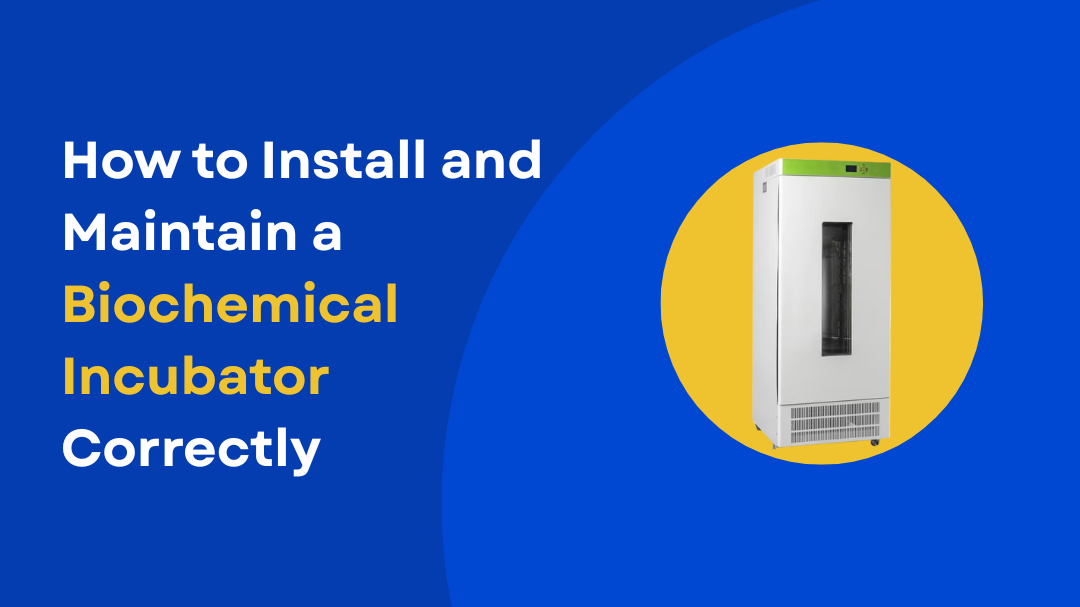
When conducting research, precision and accuracy are what drive progress. And for that to occur, you require an efficient laboratory setup. If it’s research based on microbiology, pharmaceutical sciences, or environmental biology, one piece of equipment is vital. And that is the biochemical incubator. But having the best model isn’t enough. What truly determines the success of your incubation work is how well the machine is installed and maintained over time.
Many labs underestimate the importance of correct setup. Rushed installations, overlooked calibration, or inconsistent maintenance routines can lead to temperature fluctuations, sample degradation, and costly delays. That’s why learning how to install and maintain a biochemical incubator correctly is essential, not just to protect your samples, but to protect the integrity of your entire workflow.
If you’re launching a new lab, upgrading equipment, or troubleshooting temperature instability, this blog will guide you through each critical phase. From leveling the unit to long-term care, you’ll walk away with a clear understanding of what it takes to get reliable, reproducible results day after day.
Setting the Foundation Right
The first step in learning how to install and maintain a biochemical incubator correctly is ensuring a level surface and a stable environment. Even a slight tilt in your benchtop can cause temperature inconsistencies and disrupt airflow. Place the incubator away from direct sunlight, air vents, and high-traffic zones. The ambient temperature of the room should be stable. Extreme fluctuations can force the incubator to overcompensate and shorten its lifespan.
Once the location is set, allow the incubator to sit idle for a few hours after unpacking to adjust to the room’s temperature. This helps prevent condensation inside the chamber when powered on. Connecting to a dedicated power outlet is a must, and always check that the voltage matches the unit’s requirements before starting it up.
Models like the ES-60 Incubator Series from NE LabSystems are built for easy setup with intuitive controls, wide temperature ranges, and dependable heating systems. These features make the initial installation smoother and help ensure the machine reaches operational stability more quickly.
Monitoring for Long-Term Performance
Once your incubator is up and running, ongoing care is where the real work begins. Monitoring internal temperature accuracy is key, especially if your research depends on tight tolerances. Use a certified external thermometer or digital probe regularly to confirm that the displayed temperature aligns with actual chamber conditions.
Daily visual checks also go a long way. Make it a habit to inspect for condensation, spills, and any unusual sounds. Cleaning the interior with a mild disinfectant every week prevents microbial buildup and cross-contamination. For more robust protection, schedule quarterly deep cleans and calibrations.
If you’re using NE LabSystems incubators, their support team can guide you through preventative maintenance protocols tailored to the model. Whether it’s checking door seals, verifying fan operation, or running diagnostic tests, their approach makes learning how to install and maintain a biochemical incubator correctly less daunting and more practical.
Why NE LabSystems Is the Right Choice
When it comes to lab equipment, the details matter, and NE LabSystems understands that better than most. Their selection of medical and laboratory equipment includes incubators engineered for both precision and durability. With U.S.-based support, free extended warranties, and a commitment to service, they’ve become a go-to supplier for labs that want peace of mind with every purchase.
Whether you’re selecting your first incubator or replacing an old model, NE LabSystems ensures you’re not left guessing. Their equipment is easy to install, simple to maintain, and designed for long-term accuracy, exactly what today’s research environments demand.
Final Note
Understanding how to install and maintain a biochemical incubator correctly isn’t just about ticking off setup steps. It’s about setting the stage for every successful experiment that follows. From the moment it powers on to the hundredth incubation cycle, your incubator should be a stable, reliable partner in discovery.
And with guidance from trusted experts and tools from NE LabSystems, maintaining that reliability becomes second nature, so you can focus on the science that matters most.