
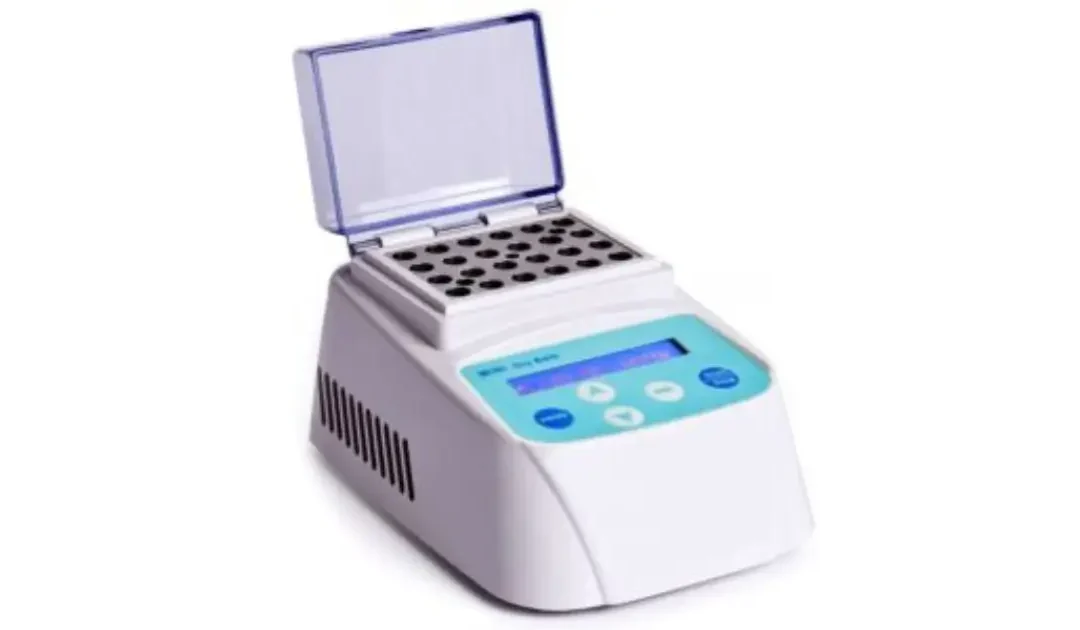
When you conduct laboratory research, maintaining stable environmental conditions is essential. Many biological reactions and microbial cultures depend on controlled temperature and sometimes humidity. This is where laboratory incubators become one of the most important pieces of equipment in your workspace.
Choosing the correct incubator is not just about temperature settings. You need an instrument that supports the specific conditions required by your experiment while maintaining consistency over long periods. If the incubator is poorly matched to your research needs, even small fluctuations can disrupt cell growth, enzyme activity, or microbial cultures.
That is why understanding how to select the right incubator for experiments is an important skill for researchers, technicians, and lab managers. With the right incubator, you create a stable environment that allows your samples to develop correctly and your data to remain reliable.
Understanding the Requirements of Your Experiment
Before selecting an incubator, you should start by thinking about the specific needs of your experiment. Different studies require different environmental conditions.
For example, microbiology experiments often require temperatures around 37°C to mimic conditions inside the human body. Cell culture studies may require additional environmental control. Some research also requires precise temperature stability over long incubation periods.
When choosing the right incubator for your experiments, the first step is to determine the required temperature range. Most standard laboratory incubators operate between room temperature and about 60°C. If your experiments need more specialized conditions, you might require advanced models with more precise temperature control.
Another important factor is capacity. Consider how many samples you plan to incubate at once. A unit that is too small will limit your workflow, while a unit that is too large may waste energy and space.
Temperature Uniformity and Stability
Consistency is one of the most critical aspects of incubation. Even small temperature variations inside the chamber can influence experimental outcomes.
High-quality incubators are designed to distribute heat evenly across the interior chamber. Many use forced air circulation systems that maintain uniform temperatures throughout the cabinet.
As you learn how to select the right incubator for experiments, pay attention to temperature accuracy and stability specifications. Reliable incubators provide precise control so every sample experiences the same conditions.
Modern laboratory incubators also include digital temperature controllers and sensors that continuously monitor the chamber environment. This helps you maintain the stability required for sensitive experiments.
Chamber Design and Sample Protection
Another important consideration is the internal chamber design. Laboratory incubators must provide enough space for your culture plates, flasks, or tubes while keeping contamination risks low.
Many units include stainless steel interiors that are easy to clean and resistant to corrosion. Removable shelves allow you to adjust spacing depending on the size of your samples.
Some laboratories also prefer incubators with clear doors or internal lighting. This allows you to check samples without disturbing the internal temperature.
If your research involves sensitive biological samples, maintaining a clean environment is essential. Choosing an incubator with smooth surfaces and easy maintenance features helps protect your experiments from contamination.
Reliable laboratory incubators are part of the equipment selection offered by NE LabSystems, where researchers can find instruments designed for stable temperature control and consistent performance.
Choosing an Incubator That Supports Your Workflow
Choosing the right incubator for experiments mainly depends on matching the equipment to your lab’s workflow. Think about how often the incubator will be used and whether multiple researchers will access it during the day.
Frequent door openings can cause temperature fluctuations. Choosing an incubator with a rapid recovery time ensures the chamber quickly returns to the desired temperature after the door is opened.
You should also evaluate reliability. Laboratory incubators often run continuously for extended periods, sometimes days or weeks at a time. Durable construction and dependable temperature control help ensure your experiments remain uninterrupted.
The Right Equipment Helps Your Research Succeed
Laboratory incubators play a crucial role in supporting biological and chemical experiments. When you select the right equipment, you create a stable environment that protects your samples and ensures consistent results.
By understanding how to select the right incubator for experiments, you can choose equipment that aligns with your research needs, laboratory space, and workflow requirements.
If you are equipping a new laboratory or upgrading your existing instruments, explore reliable incubation solutions from NE LabSystems. Choosing the right incubator helps you maintain controlled conditions and move your research forward with confidence.