
In many laboratory procedures, proper mixing is essential. Whether you are preparing chemical solutions, suspending cells, or blending reagents, the consistency of your mixture can influence the outcome of your experiment.
A vortex mixer is one of the most widely used laboratory tools for this purpose. It quickly agitates liquids inside tubes or small containers by creating a circular motion that forms a vortex within the liquid. This process allows substances to mix thoroughly in just seconds.
However, to ensure reliable results, you need to understand how to use a vortex mixer properly. Improper use can lead to inconsistent mixing, sample loss, or even contamination. When used correctly, vortex mixers help maintain precision and efficiency in your daily laboratory workflow.
Preparing the Mixer Before Use
Before you start mixing samples, it is important to prepare the equipment properly. Begin by placing the vortex mixer on a stable and level surface. A firm bench prevents vibration from affecting the instrument during operation.
Next, inspect the mixer head or rubber cup that holds the tube. It should be clean and securely attached. If the attachment is worn or loose, it may not hold tubes properly during mixing.
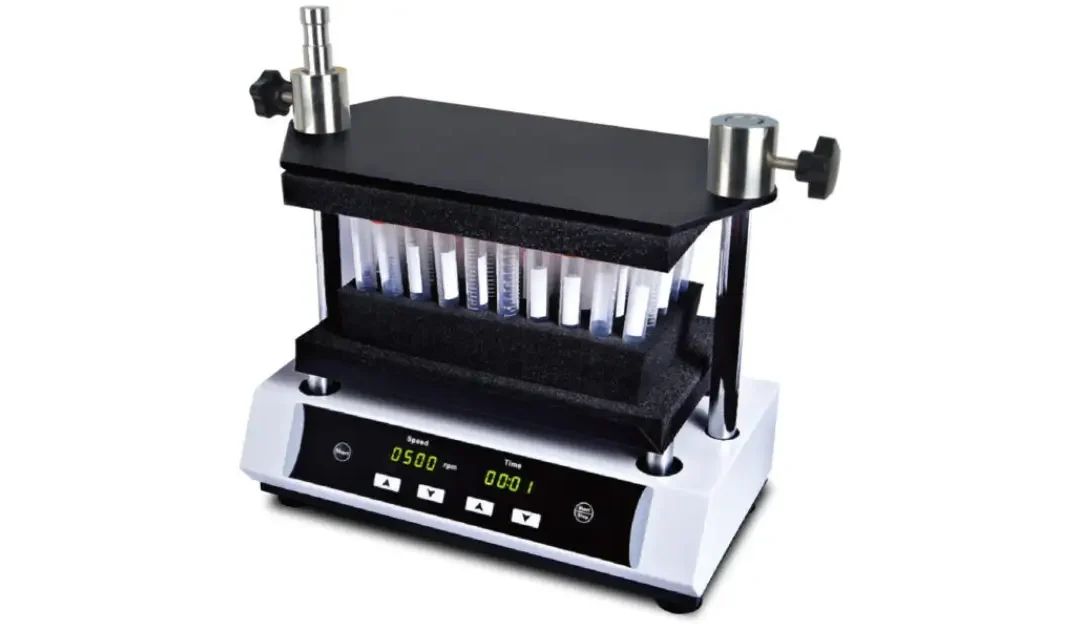
Many laboratories rely on professional mixing instruments such as the multi-tube vortex mixers supplied by NE LabSystems. These systems are designed to handle multiple samples simultaneously while maintaining stable and controlled mixing speeds.
Before turning the mixer on, make sure your sample tube is sealed tightly. This prevents spills and protects both the sample and the equipment.
Setting the Correct Speed for Your Sample
One of the most important steps when learning how to use a vortex mixer properly is selecting the appropriate mixing speed. Most vortex mixers allow you to adjust the speed depending on the type of sample you are working with.
For gentle mixing, lower speeds are often sufficient. This is useful when working with delicate biological samples such as cells or enzymes. Higher speeds are typically used for dissolving powders or mixing viscous solutions.
Start with a moderate speed and gradually increase it if necessary. This helps you maintain control over the mixing process and prevents splashing inside the tube.
Some vortex mixers include digital controls or preset programs that make it easier to maintain consistent mixing conditions for repeated experiments.
The Correct Mixing Technique
Once the mixer is set up, you can begin the mixing process. Hold the tube firmly and place the bottom of the tube against the rubber mixing head. Apply gentle downward pressure so the mixer activates.
As the mixer runs, you will notice a vortex forming inside the liquid. This swirling motion pulls the contents downward and mixes them efficiently. The process usually takes only a few seconds, depending on the sample.
While learning how to use a vortex mixer properly, it is important to avoid excessive pressure. Pressing too hard can damage the mixer head or cause unnecessary strain on the motor.
Short bursts of mixing are usually enough to achieve a uniform solution. After mixing, inspect the sample to ensure all components are evenly distributed.
Maintaining Safety and Sample Integrity
Proper handling of laboratory equipment always includes safety considerations. When operating a vortex mixer, keep your hands steady and avoid touching moving components.
You should also ensure that tubes are compatible with the mixer and securely capped. This prevents leaks that could contaminate the workspace.
Regular maintenance also supports safe operation. Clean the mixer head frequently to remove residue from previous samples. This prevents cross-contamination between experiments.
Once you learn how to properly use a vortex mixer, it becomes one of the quickest and most dependable methods for preparing samples for analysis.
Efficient Mixing Supports Better Laboratory Results
Vortex mixers play a crucial role in everyday laboratory work. From preparing solutions to suspending biological samples, they help you achieve consistent and reproducible mixtures.
By understanding how to use a vortex mixer properly, you can improve the efficiency of your workflow while protecting the quality of your samples.
If you are looking for dependable mixing equipment designed for professional laboratories, explore the laboratory solutions available at NE LabSystems. Their mixers are built to support accurate and reliable sample preparation in modern research environments.