
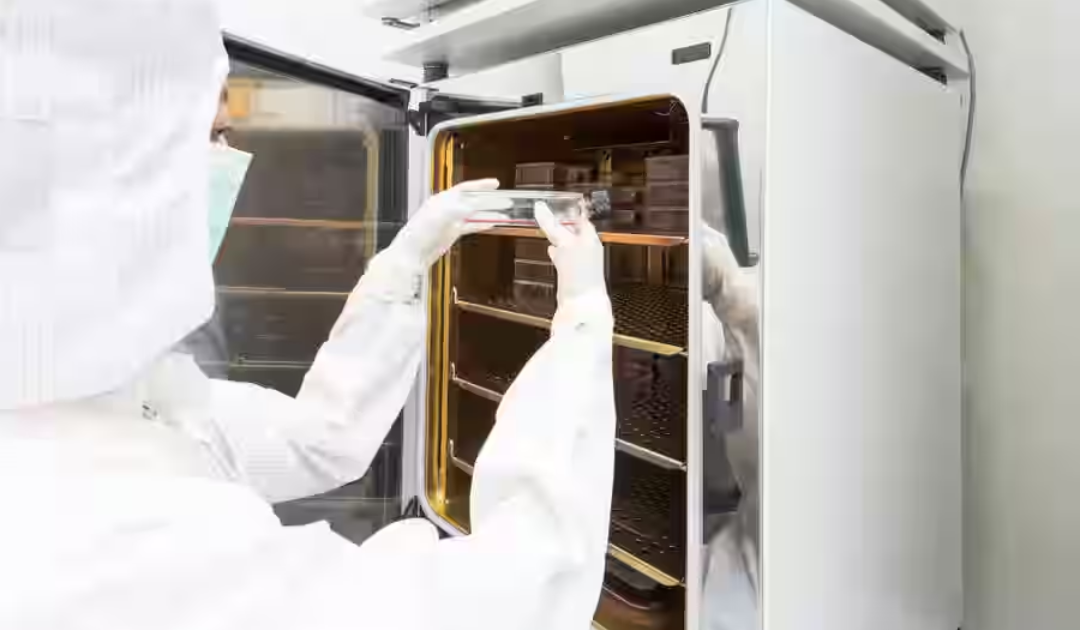
Your lab incubator might not raise alarms when it starts underperforming, but that’s exactly the problem. Small inconsistencies in temperature, humidity, or airflow often go unnoticed until they affect experimental results. And in a clinical or research environment, every variation matters.
Recognizing the signs your lab incubator needs servicing isn’t just about preventing equipment breakdowns. It’s about protecting the integrity of your work, your timelines, and your lab’s reputation. The earlier you spot the warning signs, the more likely you are to avoid costly errors, sample loss, or unplanned downtime.
This blog walks through the most common indicators that your incubator may require professional attention and what steps you should take to keep it running at its best.
Temperature Fluctuations That Go Beyond Tolerance
Even minor drifts in internal temperature can lead to unreliable outcomes, especially when working with sensitive cultures or enzyme reactions. If your incubator struggles to maintain setpoints or displays readings that don’t match external validation tools, it’s a clear warning. The problem could stem from aging sensors, failing heaters, or ventilation issues.
At NE LabSystems, we often advise labs to routinely check calibration using external probes. Devices like our ES-60 Incubator Series are engineered for long-term stability, but consistent performance depends on regular servicing.
Increased Condensation or Loss of Humidity Control
If you’re noticing water pooling inside your incubator or uneven humidity levels, the cause could be compromised door seals, clogged drains, or faults in the humidification system. These issues don’t just affect incubation. They increase the risk of contamination, particularly when working with eukaryotic cells or protein expression protocols.
Humidity-related issues often begin subtly, so regular inspection of chamber surfaces and seals can help catch them before they escalate.
Audible Irregularities and Unusual Odors
A lab incubator in good condition runs quietly. If you begin hearing new noises, clicking, buzzing, or mechanical whirring, it’s time to investigate. These sounds could point to motor strain, fan issues, or loose internal components. Similarly, unfamiliar odors may indicate overheating circuits or microbial contamination in hidden areas.
The SK-O180-S Orbital Digital Shaker, when paired with a compatible incubator, provides smooth operation. But even reliable systems can degrade over time without scheduled checks.
Visible Corrosion or Wear on Interior Surfaces
Over time, even stainless steel chambers can show signs of corrosion, especially if spills are not cleaned promptly or the unit is used outside recommended environmental conditions. Discoloration, pitting, or rust around fans, shelves, or sensors are all signs your incubator needs servicing. Don’t wait for visible damage to become mechanical failure.
Software or Interface Inconsistencies
Modern incubators often come with digital displays and programmable settings. If settings don’t save correctly, response times are delayed, or error messages appear more frequently, these are signs of control panel failure or firmware issues. Software irregularities can be more than just frustrating. They can lead to improper incubation cycles.
For labs relying on programmable systems, consistency isn’t optional. It’s part of the protocol.
Why Regular Maintenance Beats Emergency Repair
Identifying the signs your lab incubator needs servicing early puts you in control. Preventive servicing extends the life of the equipment and ensures that performance remains within spec. Waiting until an incubator fails often means lost samples, delayed timelines, and costly repairs that could’ve been avoided.
At NE LabSystems, we offer annual maintenance support, calibration services, and access to trained service engineers who understand what’s at stake in your lab. We work with clients to schedule service before issues arise, because reliability starts long before something breaks.
Serving Labs That Can’t Afford Downtime
For over 15 years, NE LabSystems has provided lab equipment built to last. And backed it with expert service and ongoing support. Whether you’re using an incubator for clinical diagnostics or experimental research, we ensure your equipment stays precise and dependable. If your incubator is showing signs of wear, we’re ready to help assess, service, and restore it to full performance.