
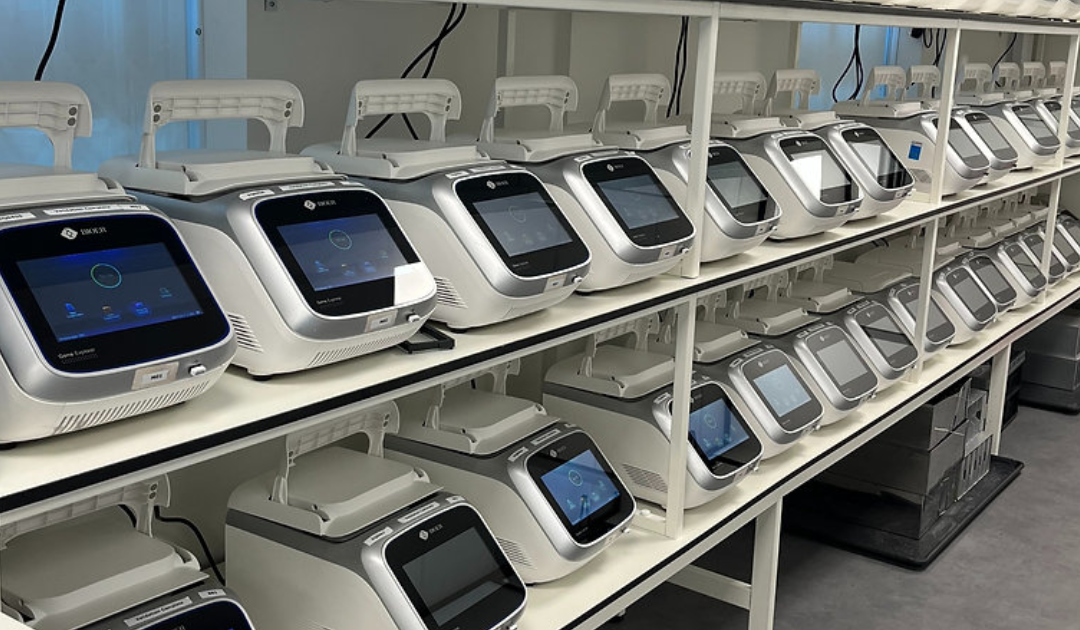
A thermal cycler is one of the most relied-on tools in any molecular lab. When it works well, your PCR runs stay consistent and your workflow stays predictable. When something goes wrong, the entire day can shift. That is why understanding key thermal cycler troubleshooting tips helps you stay prepared and prevents small issues from becoming major setbacks.
If you have ever seen inconsistent amplification, unexpected melting curves, or strange temperature readings, you know how frustrating it can be. The good news is that most PCR problems trace back to a few common causes. With the right information, you can solve them faster and get your experiments back on track.
Know the Signs Something Is Off
Before you can solve a problem, you need to recognize the early signs. This includes uneven amplification across wells, changes in reaction efficiency, or cycles that take longer than expected. These patterns often suggest temperature inaccuracy or poor contact between the block and the tubes.
This is where your understanding of thermal cycler troubleshooting tips becomes valuable. Many issues are easy to spot if you know where to look.
Check Temperature Accuracy First
Temperature accuracy affects everything in PCR. If the block is not heating or cooling correctly, you will see weak bands, false negatives, or poor amplification. Use a calibrated thermometer or verification system to confirm the actual temperature of the block.
Inspect the lid as well. The heated lid should make firm contact with the tubes. If the seal is loose, condensation can form and change the reaction volume. This creates inconsistent results across the plate.
If your thermal cycler continues to show temperature drift, it may require servicing. Working with a reliable provider like NE Lab Systems gives you access to equipment support and guidance when your system needs recalibration.
Review Programming and Reaction Setup
Sometimes the issue is not mechanical. A small programming mistake can disrupt amplification. Double check the denaturation, annealing, and extension steps to make sure they align with your template and primer design. Make sure ramp rates are correct and that the protocol matches your reaction chemistry.
Tube quality also matters. Warped or thin-walled tubes may not conduct heat evenly. It is a small detail, but it influences reaction reliability more than people expect.
Running through these thermal cycler troubleshooting tips helps you rule out simple errors before turning to more advanced diagnostics.
Keep Your Cycler Clean and Maintained
Dust, spilled reagents, or worn components can contribute to inconsistent performance. Make sure the block is clean and free from scratches. Confirm that the lid pressure is even. Listen for unusual sounds during operation. If anything feels different, it is worth noting.
Thermal cyclers last longer when they receive regular service. NE LabSystems supports labs with dependable equipment, including gradient thermal cyclers built for routine PCR use. Choosing quality devices and maintaining them well reduces troubleshooting over time.
Final Thoughts
Following the right thermal cycler troubleshooting tips helps you protect your PCR results and avoid wasted reagents or reruns. When your thermal cycler performs well, your entire workflow benefits. If you are ready to upgrade or need support for your current equipment, explore reliable options at NE LabSystems and keep your PCR runs consistent and efficient.