by Glen Ninglish | Sep 16, 2026 | Lab Equipment
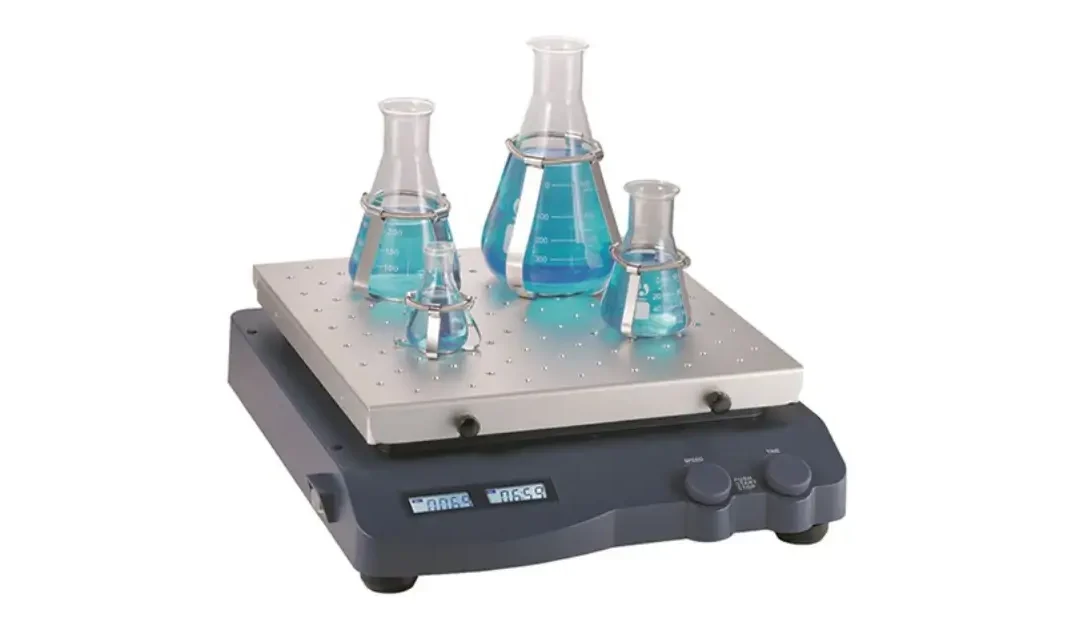
The laboratory orbital shaker is one of the most versatile instruments in scientific research, appearing on benches in microbiology labs, molecular biology departments, pharmaceutical development facilities, and clinical research environments in equal measure. Its...

by Glen Ninglish | Sep 16, 2026 | Lab Equipment
Instruments that fail without warning are expensive. They create unplanned downtime, require emergency service calls, compromise samples that were processed immediately before the failure, and often accelerate the need for costly replacement earlier than the...

by Glen Ninglish | Sep 16, 2026 | Lab Equipment
Microcentrifuge tubes are among the most handled consumables in any molecular biology, clinical, or biochemistry laboratory. They move between hands, instruments, storage racks, and ice buckets dozens of times in a single experiment, often without a second thought...
by Glen Ninglish | Sep 16, 2026 | Lab Equipment
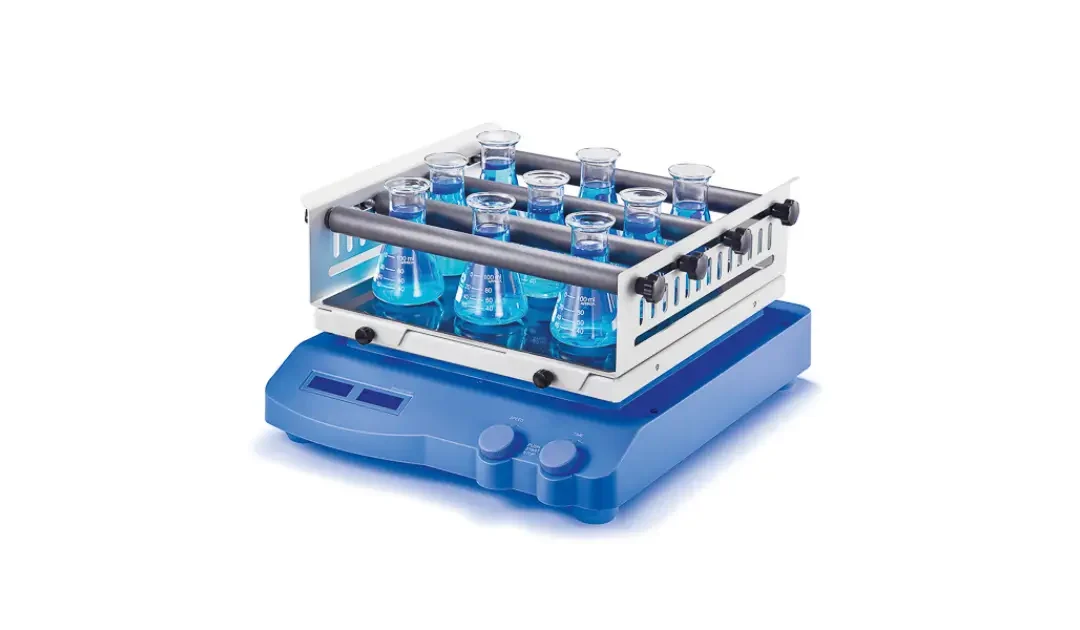
The difference between an analog laboratory shaker and a digital laboratory shaker is, at its most fundamental, a difference between estimating a parameter and measuring it. An analog shaker sets an approximate speed through a dial that corresponds to a motor voltage....

by Glen Ninglish | Sep 16, 2026 | Lab Equipment
Mammalian cells are extraordinarily sensitive to their environment. Remove them from the body, place them in a culture vessel, and they immediately begin responding to every parameter of their new environment: the temperature, the pH of the medium, the osmolarity, the...

by Glen Ninglish | Sep 16, 2026 | Lab Equipment
The laboratory rocker mixer occupies a specific and irreplaceable niche in laboratory mixing equipment. It is not designed for vigorous agitation, high-speed suspension culture, or rapid dissolution of reagents. It is designed for gentle, rhythmic, uniform coverage of...
