by Glen Ninglish | Oct 5, 2026 | Lab Equipment
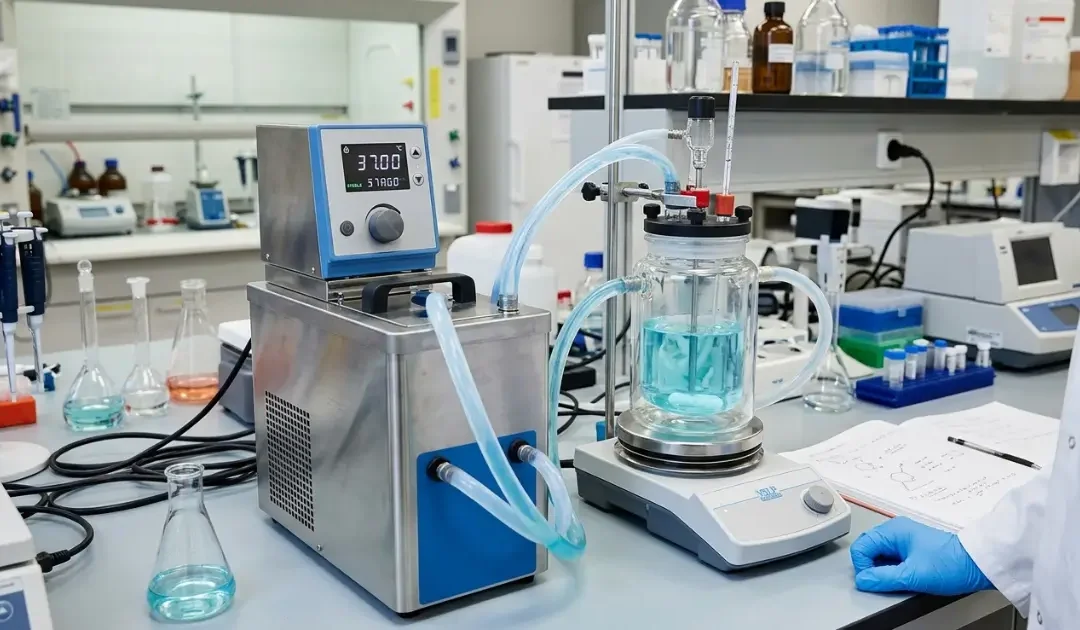
In laboratory temperature control, the difference between a static water bath and a circulating water bath is not simply a matter of price or features. It is a difference in the fundamental mechanism by which temperature is distributed and maintained throughout the...

by Glen Ninglish | Oct 5, 2026 | Lab Equipment
Few instruments in scientific research have remained as consistently relevant as the laboratory water bath. It has been a staple in clinical, research, and industrial laboratories for well over a century, and for good reason: water is one of the most effective natural...

by Glen Ninglish | Sep 17, 2026 | Lab Equipment
Temperature uniformity is the specification that separates a laboratory circulator water bath from a standard static water bath, and for many laboratory applications, that uniformity is not a marginal improvement. It is the difference between results that are...
by Glen Ninglish | Sep 16, 2026 | Lab Equipment
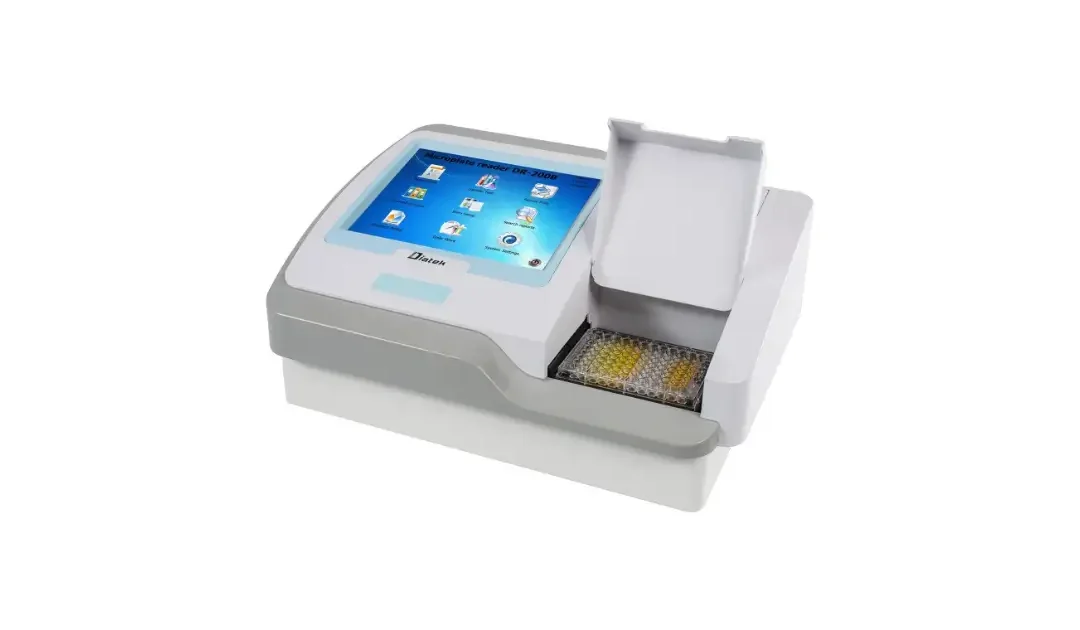
The ELISA reader for laboratory testing is the analytical engine at the end of every enzyme-linked immunosorbent assay workflow. After samples are loaded, antibodies are bound, enzyme conjugates are applied, and the substrate reaction has proceeded, the reader...
by Glen Ninglish | Sep 16, 2026 | Lab Equipment
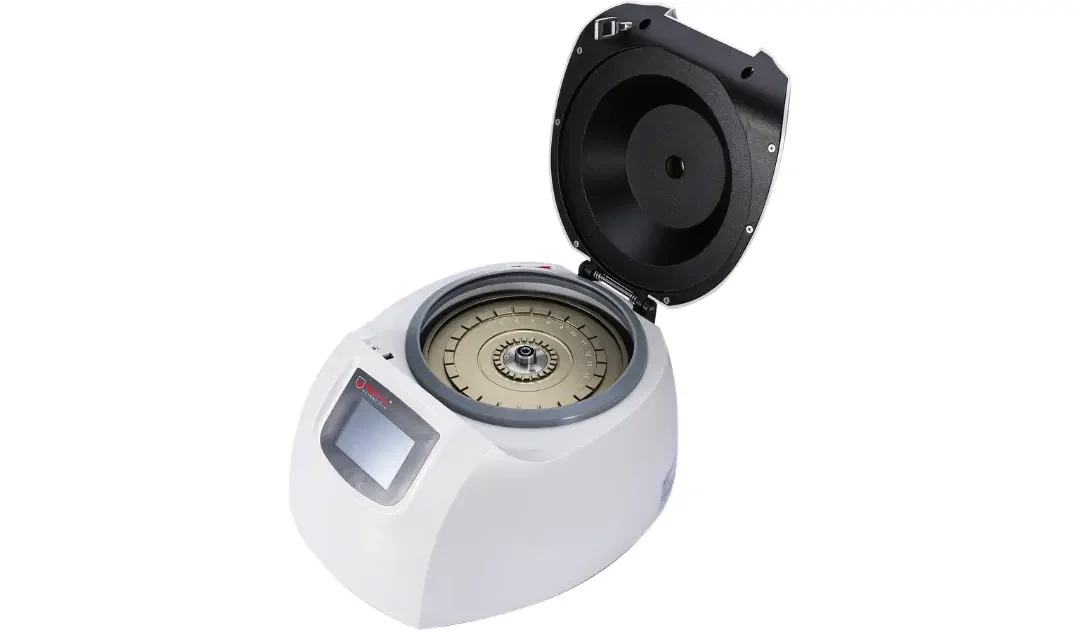
The hematocrit centrifuge is one of the most clinically essential instruments in a diagnostic laboratory setting, yet it is also one of the simplest in concept. It spins small capillary tubes filled with blood at high speeds, separating the blood into its component...
by Glen Ninglish | Sep 16, 2026 | Lab Equipment
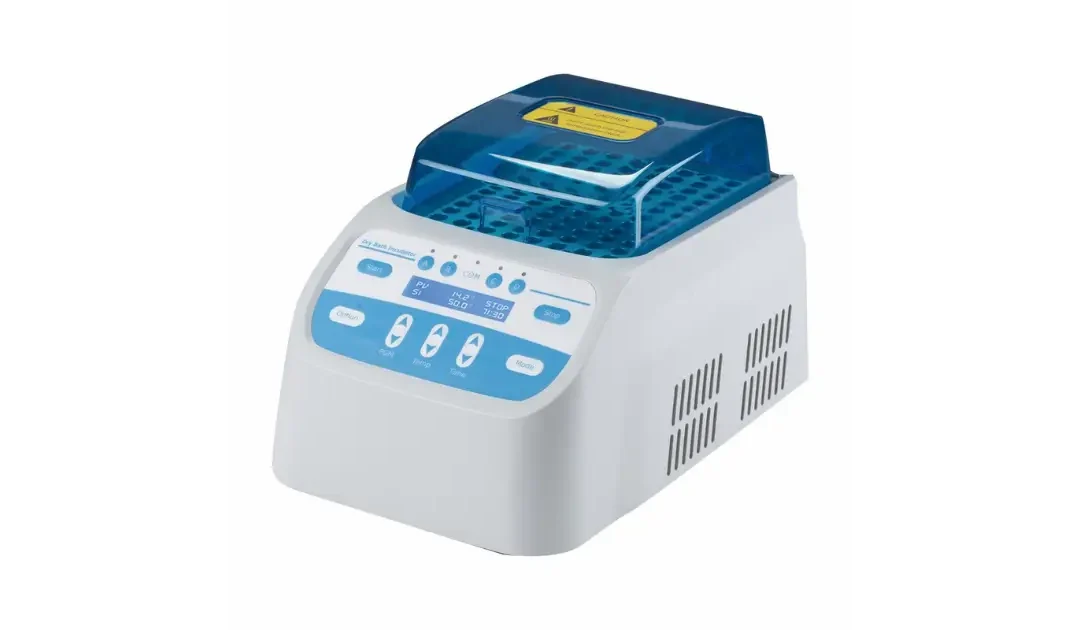
The laboratory dry bath incubator, also known as a heat block incubator or dry block heater, has become one of the most commonly used temperature control instruments in modern molecular biology, clinical chemistry, and pharmaceutical research. Its core principle is...
