by Glen Ninglish | Oct 5, 2026 | Lab Equipment
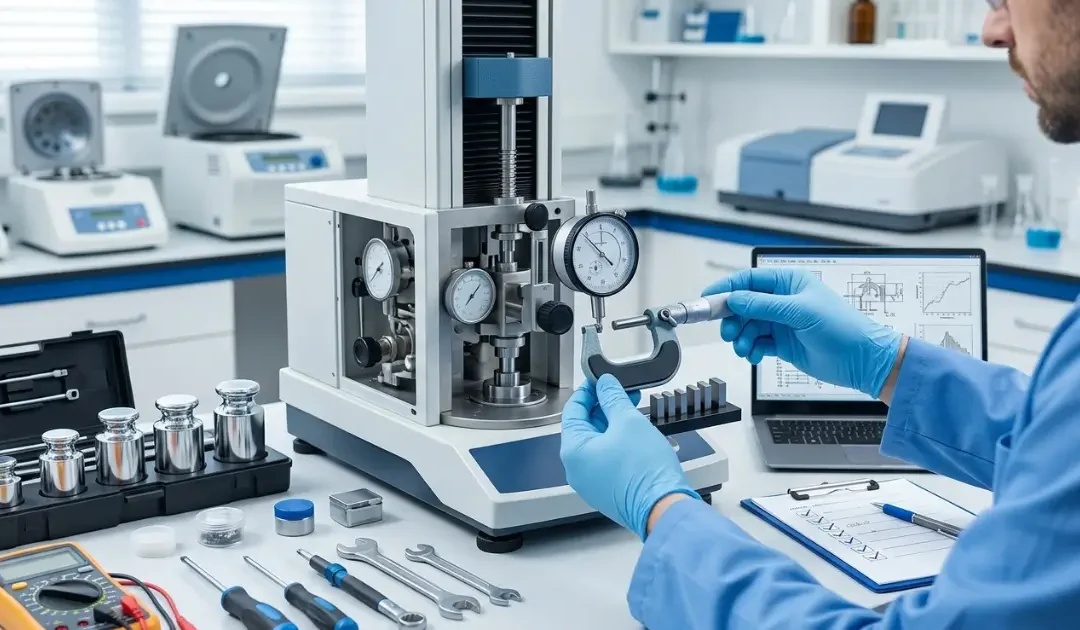
Calibration and maintenance are frequently mentioned together in laboratory quality discussions, but they are distinct activities with different purposes. Maintenance keeps instruments mechanically and operationally functional. Calibration verifies and adjusts their...
by Glen Ninglish | Oct 5, 2026 | Lab Equipment
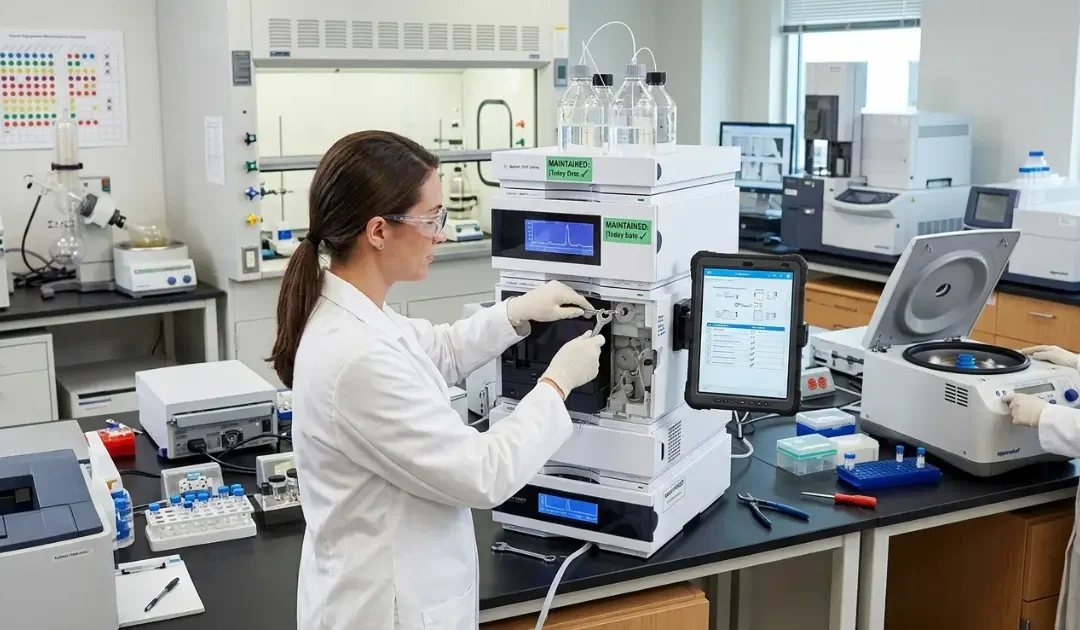
A study by Frost and Sullivan found that laboratory managers rank instrument maintenance and downtime as their top operational concern. The consequences of unplanned equipment downtime in a laboratory setting reach well beyond the instrument itself: samples collected...
by Glen Ninglish | Oct 5, 2026 | Lab Equipment
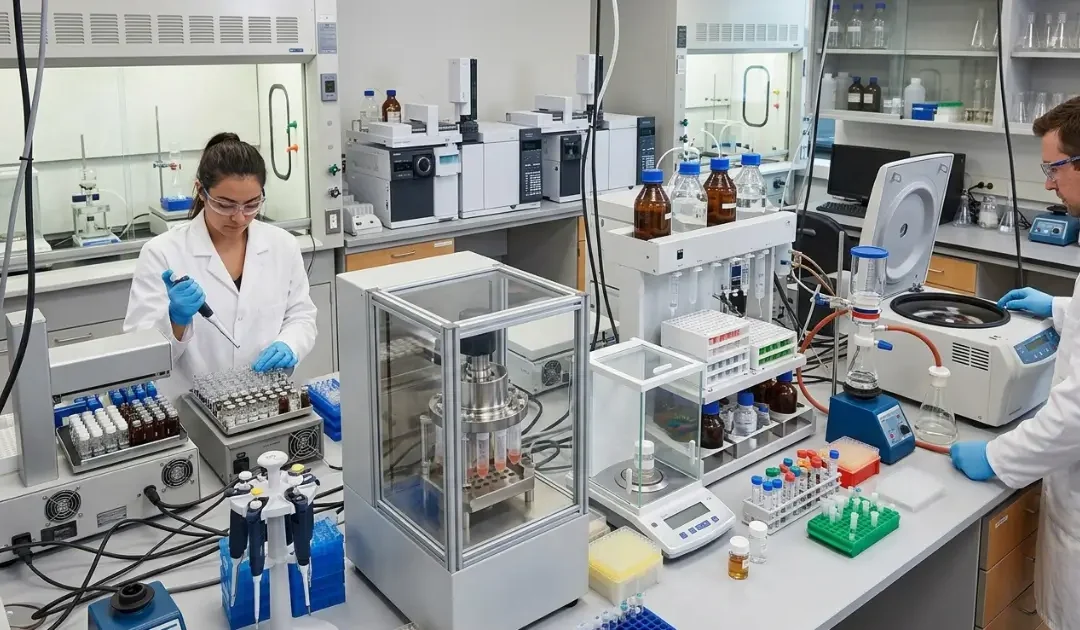
Every laboratory instrument represents a potential hazard in addition to a scientific tool. Centrifuges generate high rotational forces that can cause catastrophic rotor failure if improperly loaded. Water baths and heating blocks present burn and electrical risks....
by Glen Ninglish | Oct 5, 2026 | Lab Equipment
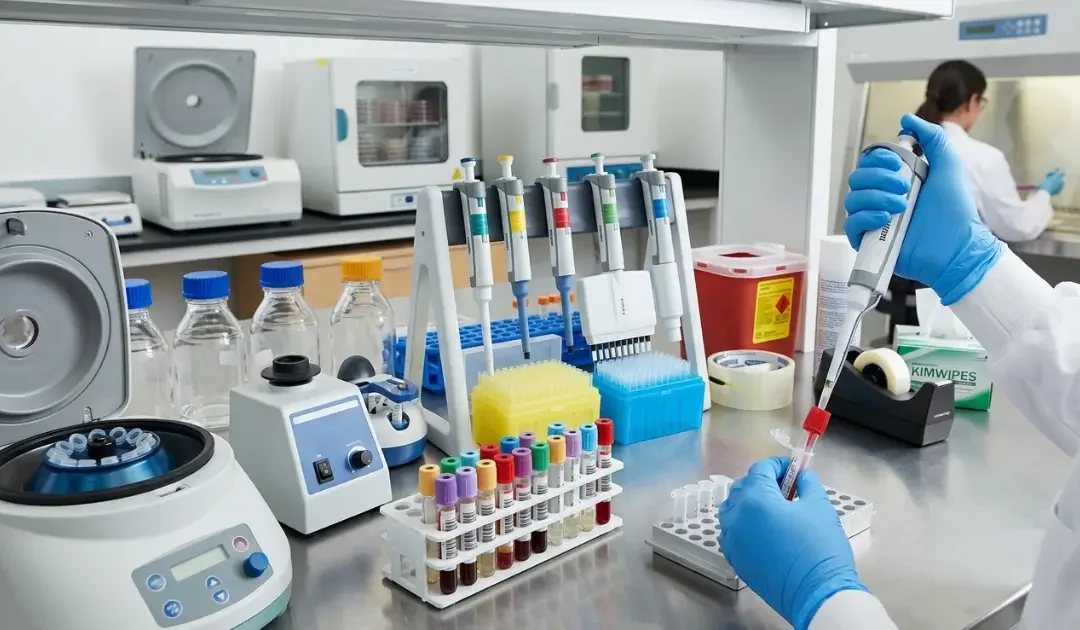
In clinical laboratory diagnostics, the validity of every patient result depends not just on the analytical instrument that produces the measurement, but on the preparation steps that convert a raw patient specimen into an analysis-ready sample. Sample preparation...
by Glen Ninglish | Oct 5, 2026 | Lab Equipment
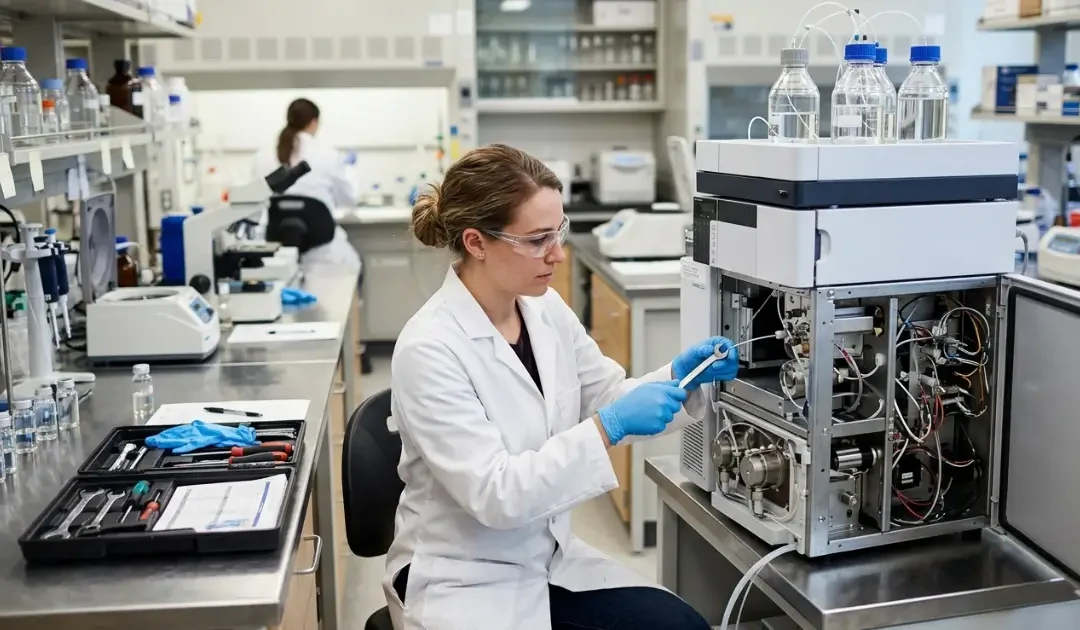
Instruments that fail without warning are expensive in multiple ways simultaneously. The repair or replacement cost is the most obvious. Less visible but often larger is the cumulative cost of lost samples, disrupted workflows, delayed results, emergency service fees,...
by Glen Ninglish | Oct 5, 2026 | Lab Equipment
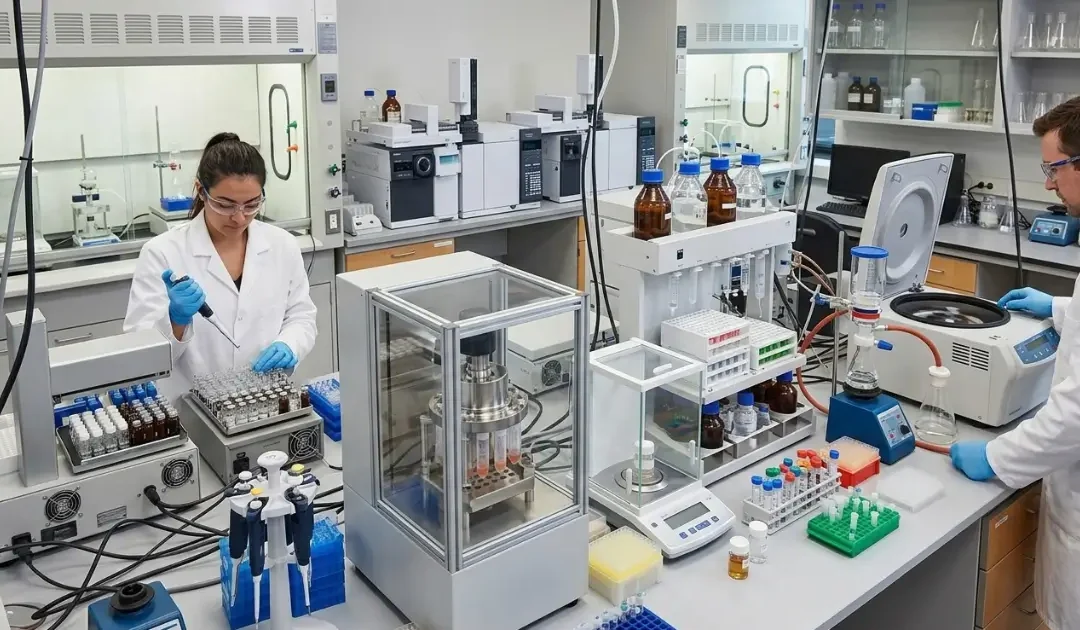
The accuracy of any laboratory analysis is ultimately limited by the quality of the sample preparation that precedes it. Even the most sensitive analytical instrument cannot compensate for a sample that was inadequately separated, improperly mixed, incorrectly heated,...
